
What we do...
About ERASMUS+
Erasmus+ is the EU Programme in the fields of education, training, youth and sport. It offered a life changing experience to more than 10 million participants over the last 30 years, and will continue offering opportunities for a wide variety of individuals and organisations for the next seven-year lifecycle...
ACTIONS
Erasmus+ provides grants for a wide range of actions and activities
The programme gives opportunities to students, trainees, staff and volunteers to spend a period abroad to increase their skills and employability.

Key Action 1: Learning Mobility of Individuals
Key Action 1 supports mobility in the education, training and youth sectors and aims to bring long lasting benefits to the participants and the participating organisations involved.

Key Action 2: Cooperation Among Organisations and Institutions
The actions under Key Action 2 make it possible for organisations from different participating countries to work together, to develop, share and transfer best practices and innovative approaches in the fields of education, training youth and sport.

Key Action 3: Support to Policy Development and Cooperation
Key Action 3 provides grants for a wide variety of actions aimed at stimulating innovative policy development, policy dialogue and implementation, and the exchange of knowledge in the fields of education, training youth and sport.

Jean Monnet
Within the new Erasmus+ Programme, the Jean Monnet Actions aim at promoting excellence in teaching and research in the field of European Union studies worldwide.
Who we are...
National Erasmus+ Office in BiH
The National Erasmus+ Office (NEO) Bosnia and Herzegovina provides assistance to national authorities, education institutions and organizations, and all other relevant stakeholders with implementation of the Erasmus+ activities in fields of higher education, VET, youth and sport.
News
- Details
- Category: News
- Hits: 235
CIP Annual Conference on Automatic Recognition and the Recognition of Specific Types of Learning: „The Path Toward Automatic Recognition and the Recognition of Prior Learning“ - 14 October, 2026, Mostar
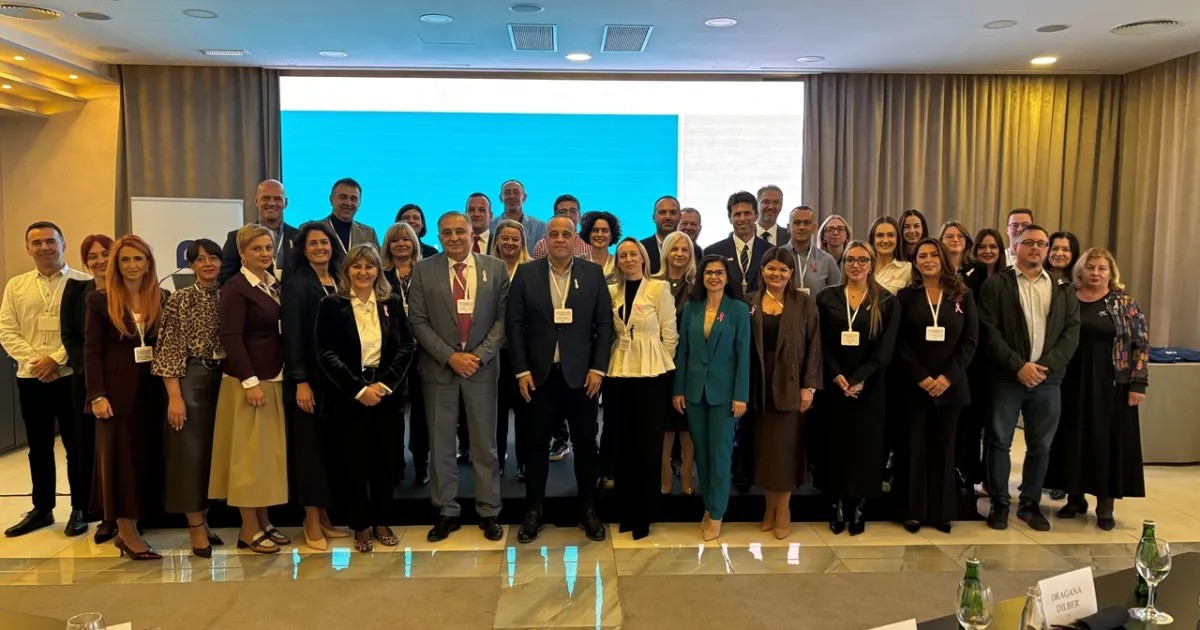 The Centre for Information and Recognition of Qualifications in Higher Education (CIP) organised its annual conference, “The Path Toward Automatic Recognition and the Recognition of Prior Learning,” in Mostar on 14 October 2026.
The conference brought together 48 participants, including representatives of the Ministry of Civil Affairs of Bosnia and Herzegovina, the Agency for Development of Higher Education and Quality Assurance (HEA), the Higher Education Reform Experts (HERE) team, competent education authorities, higher education institutions and the ENIC Centre of Montenegro.
The event aimed to strengthen understanding of automatic recognition and the recognition of prior learning, while promoting the alignment of recognition procedures with the Lisbon Recognition Convention (LRC). Presentations addressed the fundamental principles of automatic recognition, practices at higher education institutions and the recognition of prior learning (APEL), with particular attention to the situation in Bosnia and Herzegovina.
A panel discussion on the legislative framework highlighted the need for further alignment of national legislation with the Lisbon Recognition Convention, harmonisation of recognition practices, effective implementation of automatic recognition and recognition of prior learning, and continuous professional development for staff involved in recognition procedures.
The conference provided an important platform for exchanging experiences and identifying further steps towards more transparent, consistent and efficient recognition procedures in higher education in Bosnia and Herzegovina.
More on the event on the folowing links:
CIP Annual Conference on Automatic Recognition and Recognition of Specific Forms of Learning
From Training to Practice: IUS Strengthens Expertise in Qualifications Recognition
Održana konferencija CIP-a “Put ka automatskom priznavanju i priznavanje specifičnih vidova učenja”
- Details
- Category: News
- Hits: 577
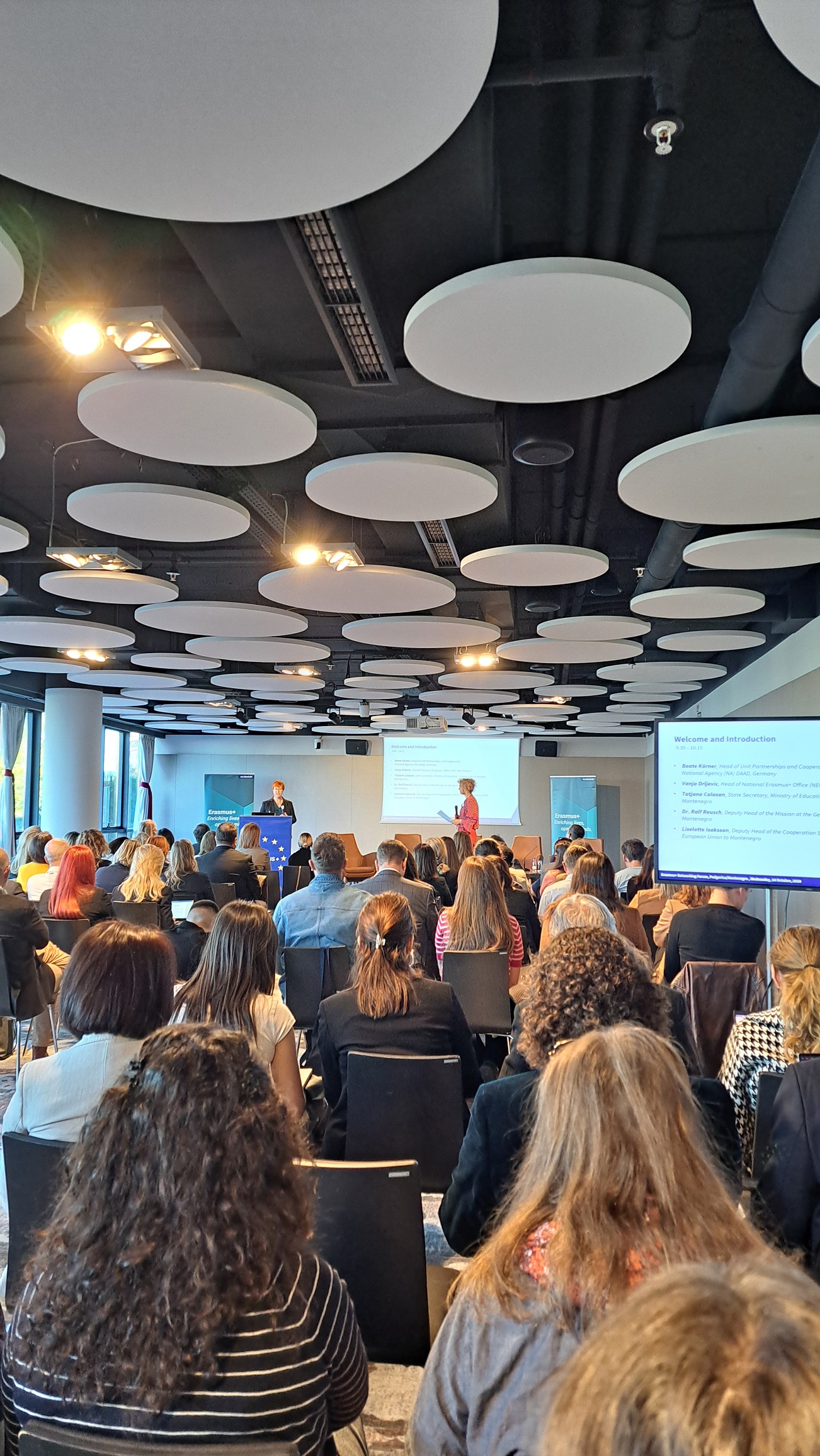 Bologna Hub Peer Support Plus
Regional Hub Event
13-15 October 2026, Podgorica
The Erasmus+ networking forum “Western Balkans in Focus: Promoting and Deepening Cooperation within the Erasmus+ Programme” was held in Podgorica, Montenegro, from 12 to 15 October 2026. The event was organised by the German National Agency for Erasmus+ (DAAD), in cooperation with National Erasmus+ Offices from the Western Balkans and National Agencies from Austria, the Czech Republic and Poland.
The forum brought together around 120 participants, including representatives of higher education institutions, National Erasmus+ Offices, National Agencies and other stakeholders, with the aim of strengthening international cooperation and developing new Erasmus+ partnerships between the Western Balkans and Central Europe.
The programme featured panel discussions, networking sessions, institutional visits and workshops addressing key Erasmus+ funding opportunities, including mobility (KA1), Capacity Building in Higher Education (CBHE), Erasmus Mundus and Jean Monnet actions. Discussions also focused on skills development, micro-credentials, recognition of qualifications and learning outcomes, joint study programmes, entrepreneurship and effective project development.
As part of the programme, the Bologna Hub Peer Support Plus (BHPS+) initiative contributed workshops on skills development, micro-credentials and the recognition of qualifications and learning outcomes from study periods abroad, highlighting opportunities to support higher education institutions in addressing Bologna Process-related challenges.
Through the exchange of experiences, good practices and project ideas, the forum provided a valuable platform for building new partnerships, strengthening regional cooperation and expanding opportunities for higher education institutions across the Western Balkans within the Erasmus+ Programme.
- Details
- Category: News
- Hits: 771
The SPHERE Seminar “Focus on Skills: Implications for Higher Education Learning and Teaching” and the SPHERE Bologna Process Symposium were held at the National University of Science and Technology POLITEHNICA Bucharest, Romania, on 14–15 September 2026.
The two-day programme brought together Higher Education Reform Experts (HEREs) and representatives of universities, ministries and relevant organizations to exchange experiences and discuss current developments in higher education reform.
The first day focused on skills development, learning and teaching, with discussions addressing the changing needs of students, society and the labour market, as well as student-centred learning and institutional approaches to skills development.
The second day was dedicated to the Bologna Process and reforms in the European Higher Education Area (EHEA), including fundamental values, the social dimension of higher education, quality assurance, ECTS and mechanisms for monitoring and supporting the implementation of Bologna reforms.
Vildana Delibašić, representative of Bosnia and Herzegovina, participated in both events, contributing to discussions and the exchange of experiences on higher education reform. The events provided valuable insights into current European approaches that can support further development of higher education policies and practices in Bosnia and Herzegovina.
.jpg "Click to enlarge image viber_image_2026-09-18_09-23-34-971 (002).jpg")
.jpg "Click to enlarge image viber_image_2026-09-18_09-23-40-397 (002).jpg")
.jpg "Click to enlarge image viber_image_2026-09-18_09-23-40-697 (002).jpg")
- Details
- Category: News
- Hits: 771
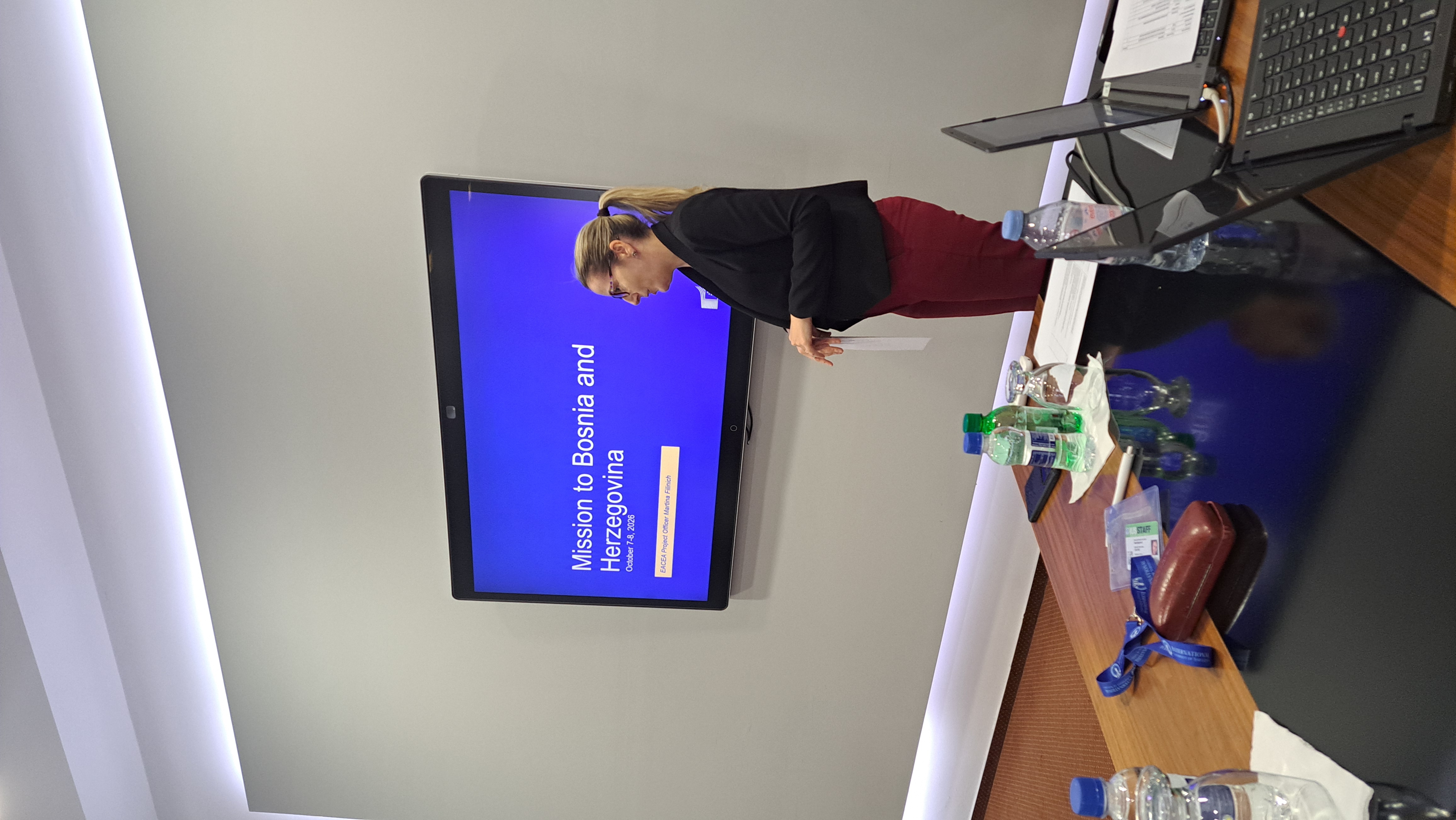
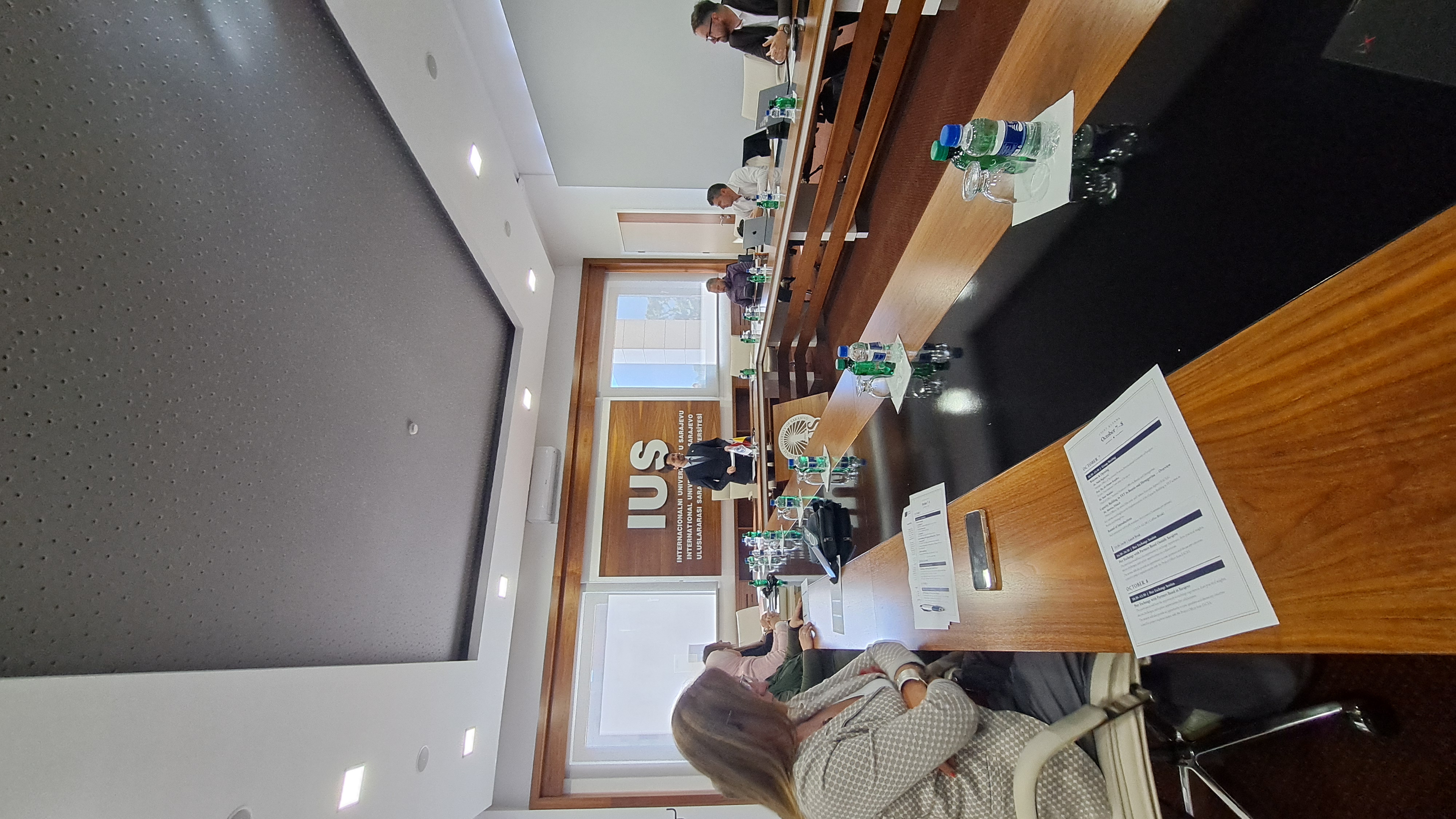
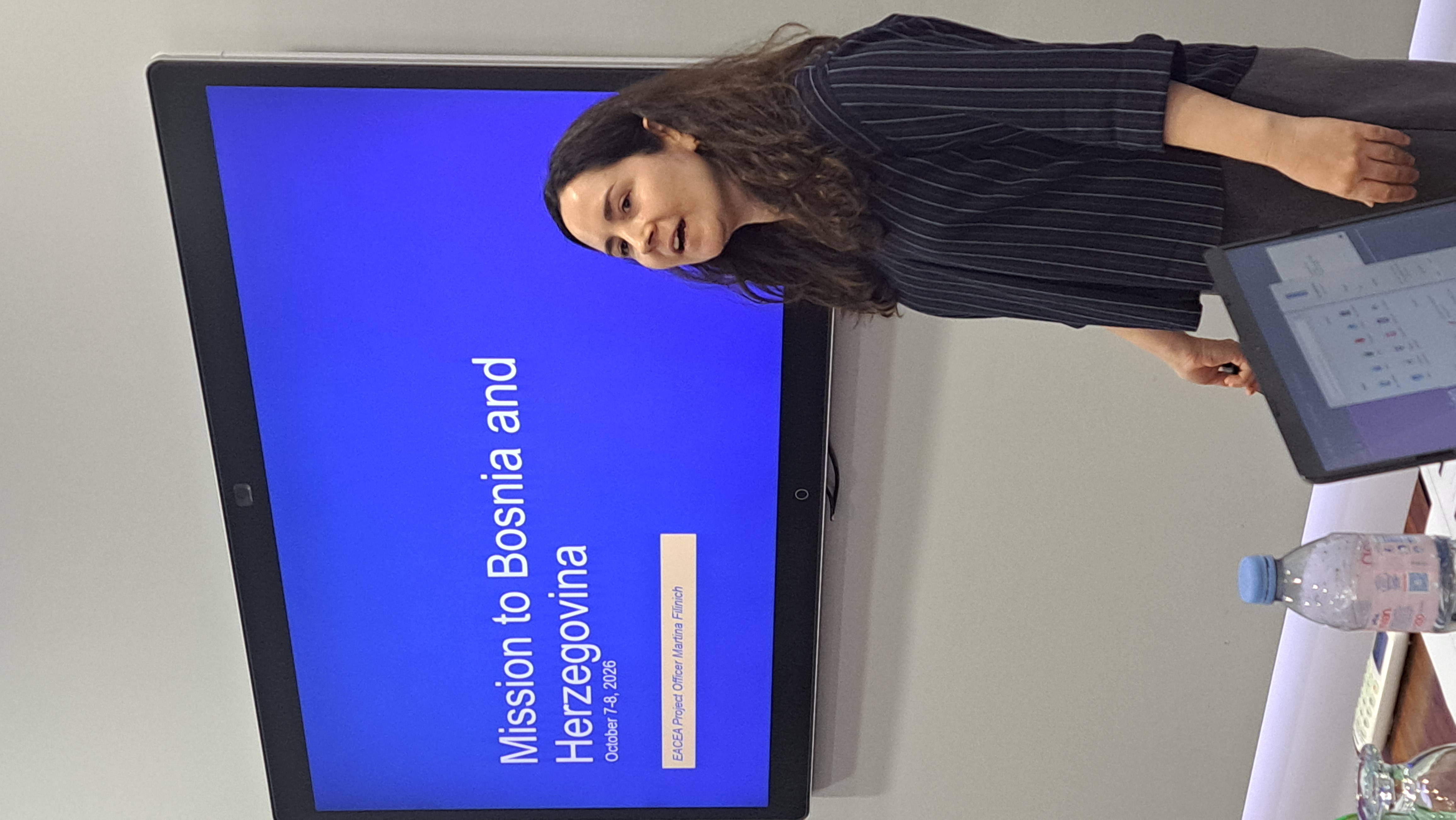
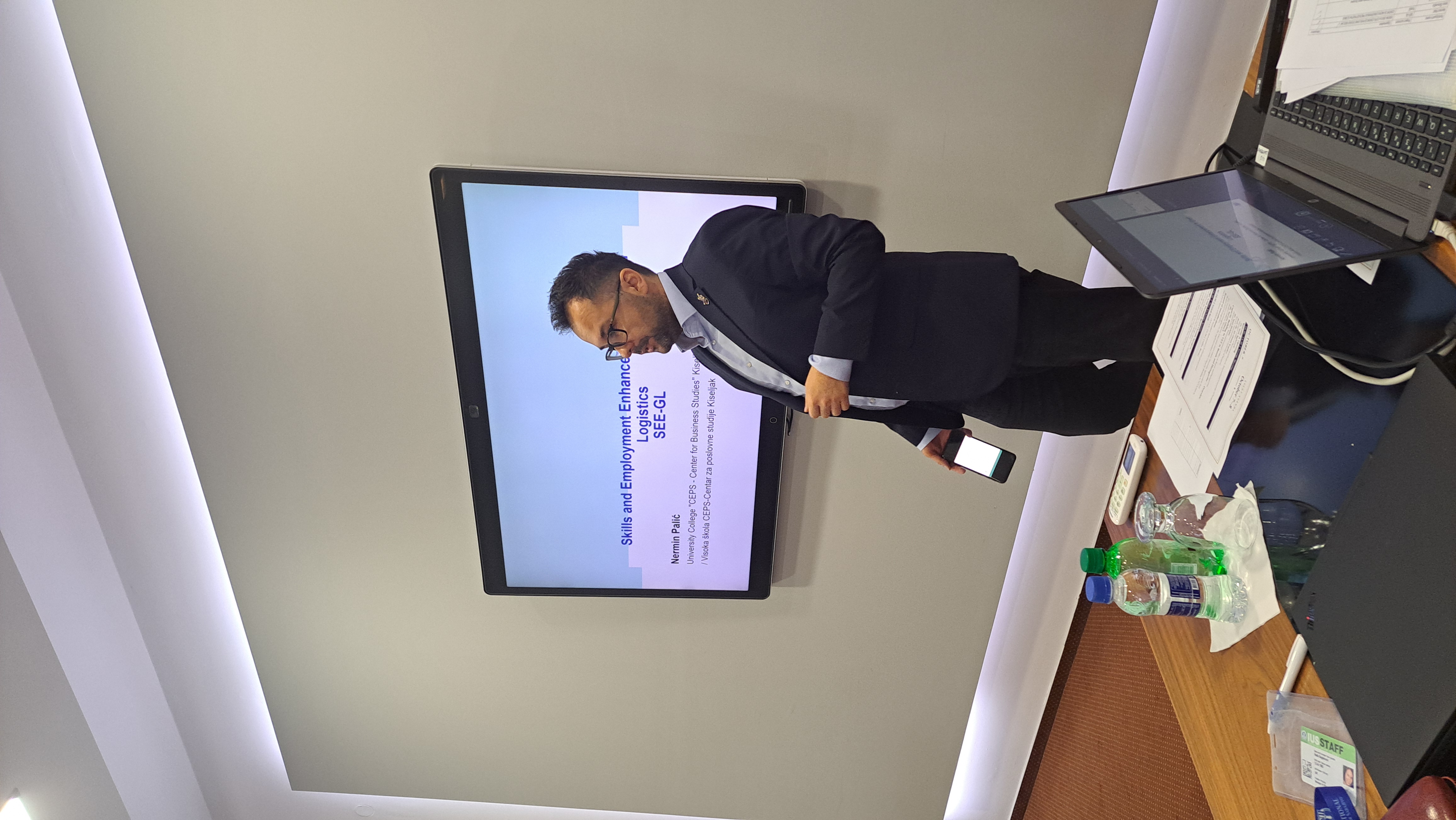
A meeting with project partners from Bosnia and Herzegovina involved in Erasmus+ Capacity Building in Vocational Education and Training (CBVET) projects was held at the International University of Sarajevo (IUS) on 7–8 October 2026.
The meeting was organized by the European Education and Culture Executive Agency (EACEA), in cooperation with the National Erasmus+ Office in Bosnia and Herzegovina (NEO) and IUS. It brought together representatives of 19 selected CBVET projects to discuss project implementation, exchange experiences and facilitate the dissemination of project results.
The programme included presentations of the participating projects, an overview of Erasmus+ VET projects involving partners from BiH, and two peer-exchange sessions with EACEA project officers. Participants had the opportunity to share practical experiences, discuss challenges and explore opportunities for further cooperation.
The meeting also provided an important opportunity to strengthen interaction between EACEA, NEO and project partners from Bosnia and Herzegovina, while contributing to greater visibility and dissemination of Erasmus+ project results.
HERE
The purpose of the National Team of HIGHER EDUCATION REFORM EXPERTS is to provide a pool of expertise in areas of Quality Assurance, Three Cycle System, and Recognition in order to promote reforms and enhance progress in Higher Education in Bosnia and Herzegovina and therefore participate in the development of policies and reforms.









Where we are
...and how to find us
Džemala Bijedića 279H, 71000 Sarajevo
FBiH, Bosnia and Herzegovina
email: office@erasmusbih.com
Phone: +387 33 570 260
Fax: +387 33 570 261


